
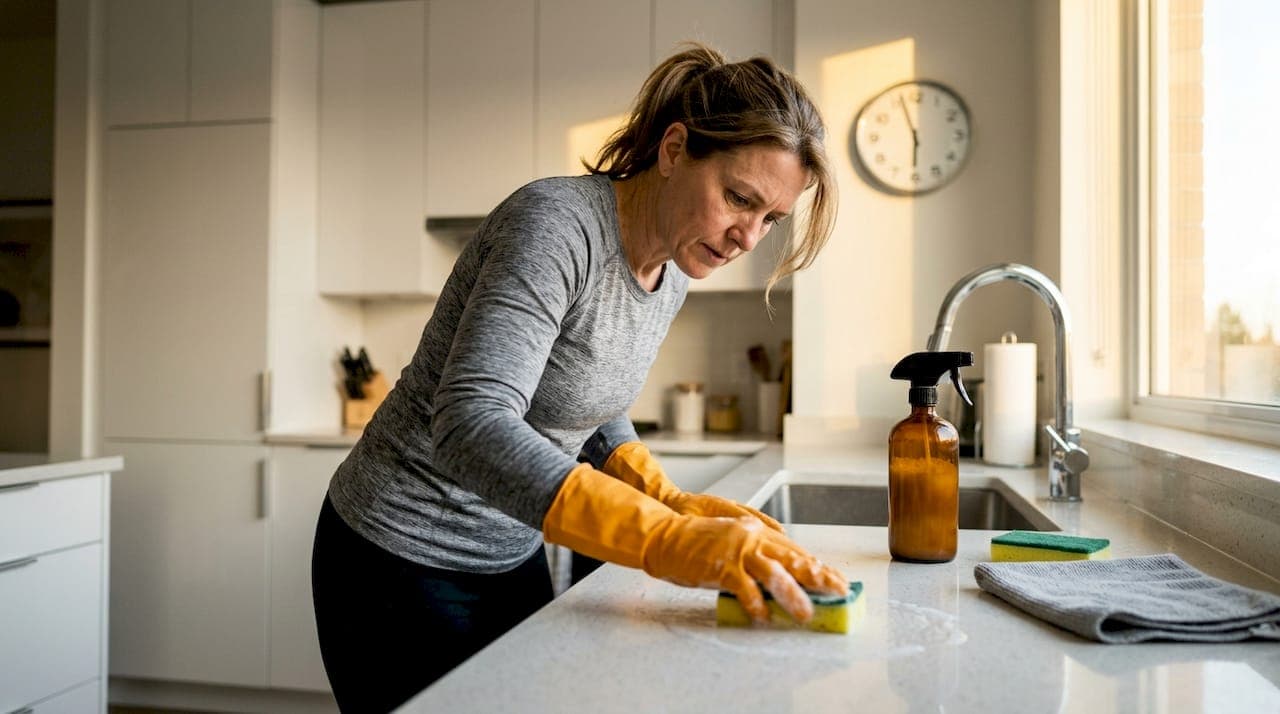
Last minute cleaning is the urgent process of rapidly cleaning key areas of a home to make it presentable and safe when time is critically limited. Also called speed cleaning or emergency cleaning, it focuses on high-impact tasks rather than a full home overhaul. You skip the baseboards and tackle the bathroom sink. A guest texts that they are 20 minutes away, and you need a plan that works. Cleanondemand and resources like CDC hygiene guidance exist precisely for moments like this, and knowing the right steps makes all the difference.
What is last minute cleaning, and what tasks come first?
Last minute cleaning is a targeted, time-boxed approach to home hygiene. The goal is not a spotless house. The goal is a clean, safe, and presentable space in the shortest time possible.
The CDC advises cleaning before disinfecting to physically remove dirt and germs with soap and water first. Skipping this step means your disinfectant is working on a dirty surface, which reduces its effectiveness. Think of cleaning and disinfecting as two separate jobs, not one.
High-touch surfaces like doorknobs, light switches, and countertops deserve the most attention in any quick clean. These spots collect the most germs and are the first things guests notice or touch. Wiping them down takes under two minutes and delivers the biggest hygiene payoff.
Prioritizing tasks by visibility and germ risk is the core logic of any last minute cleaning checklist:
-
Entryway and front door: First impressions happen here. Wipe the door handle, sweep the floor, and remove clutter.
-
Bathroom: Spray the toilet, sink, and mirror. A clean bathroom signals a clean home.
-
Kitchen counters and sink: Clear dishes, wipe surfaces, and take out any full trash bags.
-
Living room: Fluff cushions, fold blankets, and do a fast vacuum pass on visible carpet.
-
High-touch surfaces throughout: Light switches, remote controls, and cabinet handles take seconds each.
Pro Tip: Set a timer for 15 minutes and assign one zone per family member. Parallel cleaning cuts your total time in half and keeps everyone focused.
How does last minute cleaning differ from regular or deep cleaning?
The scope is the clearest difference. Regular cleaning covers a home on a schedule, and deep cleaning reaches hidden areas like behind appliances, inside cabinets, and grout lines. Last minute house cleaning accepts that some areas will not be touched at all.
Guest-ready cleaning focuses on visible areas over hidden or less-used spaces. That trade-off is intentional, not lazy. You are managing perception and basic hygiene, not performing a move-in inspection.
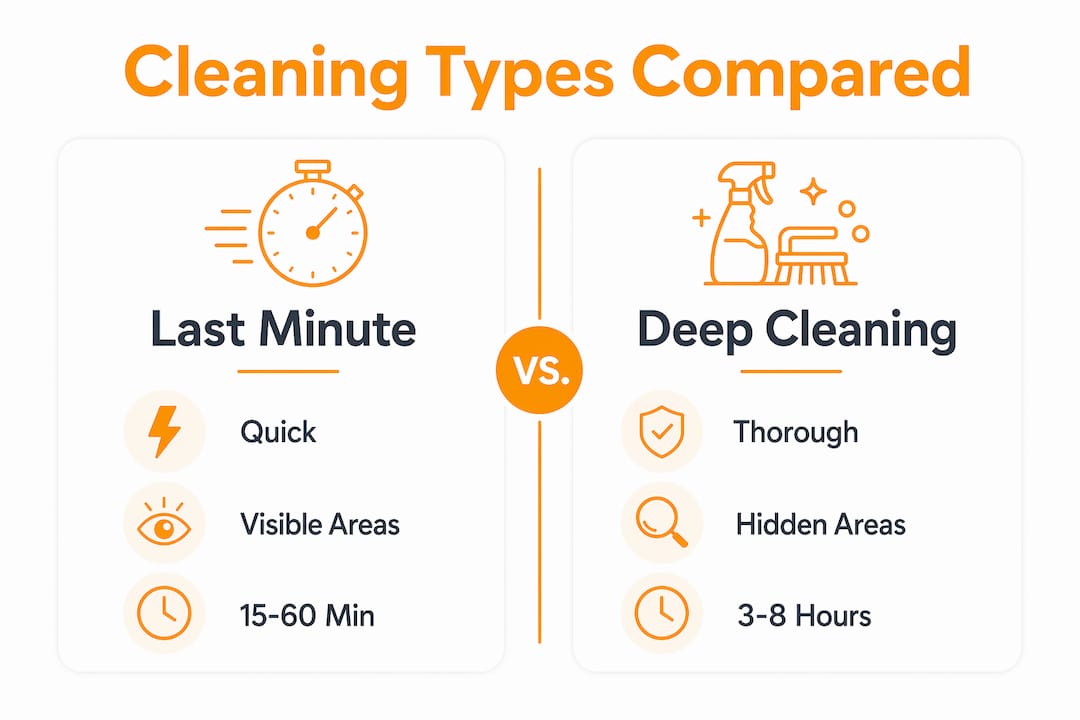
Disinfectant timing is another key difference. EPA-registered disinfectants require a wet contact time ranging from 15 seconds to 10 minutes to kill viruses and bacteria. In a rushed clean, most people spray and wipe immediately. That bypasses the required contact time and leaves germs alive on surfaces that look clean.
| Factor | Last minute cleaning | Deep cleaning |
|---|---|---|
| Time required | 15–60 minutes | 3–8 hours |
| Areas covered | Visible, high-traffic zones | Entire home including hidden areas |
| Disinfection depth | Surface-level, time-limited | Full contact time, thorough application |
| Goal | Presentable and safe | Thoroughly sanitized and restored |
| Best for | Unexpected guests, quick turnarounds | Move-outs, post-illness, seasonal resets |
Emergency situations like flood cleanup operate under entirely different rules. Flood remediation requires hazard assessment, removal of contaminated materials, sanitation with a bleach-to-water ratio, and thorough drying before re-entry. That is not a quick tidy-up. It is a safety protocol, and confusing the two can put your family at risk.
What are the most effective quick cleaning methods and tools?
Zone-based cleaning is the most reliable quick cleaning method for families under time pressure. Experts recommend a specific zone order: living and dining areas, entryway, bathroom, then kitchen. Each zone gets a fixed time budget, and you move on when the timer ends, not when the zone is perfect.
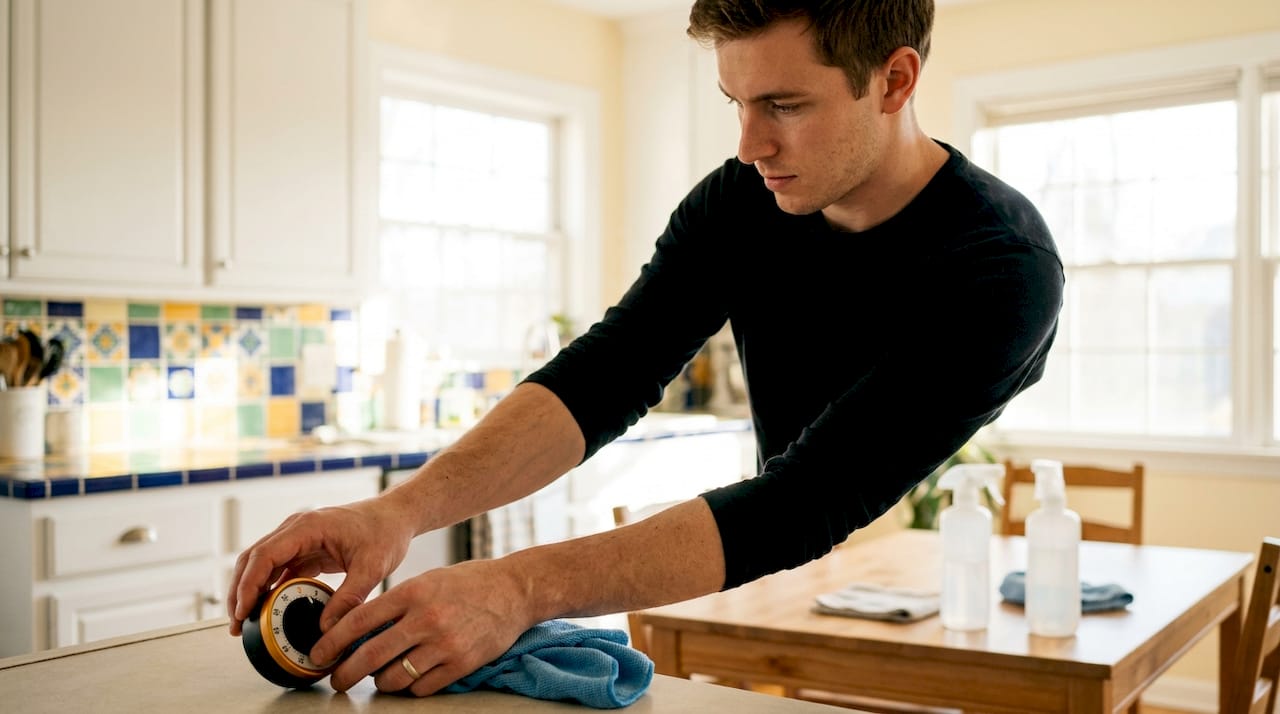
The right tools make zone-based cleaning dramatically faster. Microfiber cloths pick up dust and bacteria without needing extra product. Multi-surface sprays cut down on switching between bottles. Disinfectant wipes with short contact times, around 15–30 seconds, are ideal for high-touch surfaces when you need speed and efficacy together.
Here is a practical numbered sequence for a 20-minute last minute clean:
-
Grab a laundry basket. Walk through every room and drop clutter into it. Stash the basket in a closet. Clutter is the biggest visual problem in most homes.
-
Spray the bathroom. Apply toilet bowl cleaner and a multi-surface spray to the sink and counter. Let both sit while you move to the next step.
-
Wipe kitchen counters and the stovetop. Clear dishes into the dishwasher or a cabinet. Wipe down visible surfaces with a damp microfiber cloth.
-
Return to the bathroom. Scrub the toilet, wipe the sink, and polish the mirror with a dry cloth. This takes under four minutes.
-
Vacuum or sweep one pass through the main living area. Focus on the center of the room, not the edges.
-
Spray and wipe all high-touch surfaces. Doorknobs, light switches, and the kitchen faucet handle. Leave the disinfectant wet for the full contact time before wiping.
-
Deodorize fast. Open a window, light a candle, or use a fabric spray on upholstered furniture. Smell is the first thing guests notice.
Pro Tip: Choose a disinfectant with a contact time under 60 seconds for last minute use. Check the label before you buy. Products with longer contact times are less practical for speed cleaning.
Quick deodorizing is an underrated step in any emergency cleaning guide. A home can look clean but still smell stale or like last night’s dinner. Baking soda on carpets, a quick wipe of the trash can lid, and a ventilated room solve most odor problems in under five minutes.
When time runs out completely, booking urgent cleaning services is the right call. Cleanondemand offers same-day cleaning bookings through its mobile app, covering general cleaning, deep cleaning, and end-of-tenancy cleaning for exactly these situations.
How do you adapt last minute cleaning for special urgent situations?
Not every urgent clean is the same. The strategy shifts depending on whether you are preparing for guests, managing illness risk, or dealing with a contamination event.
For unexpected guests, the bathroom and kitchen are non-negotiable. Guests use both, and a dirty bathroom creates a lasting impression. Focus your first five minutes there, then move to the living room. Skip bedrooms unless guests will use them.
For illness scenarios, disinfection of critical areas takes priority over tidying. The CDC guidance is clear: cleaning removes germs physically, and disinfecting kills what remains. Both steps matter when someone in the home has been sick. Do not skip the cleaning step just to save time.
For flood or contamination events, standard speed cleaning methods do not apply. Emergency cleanup protocols require clearing water, removing damaged items, sanitizing with a diluted bleach solution, and drying thoroughly over several hours before the space is safe. Rushing this process creates mold and health risks.
A quick reference checklist for the three most common urgent scenarios:
-
Guest arrival in under 30 minutes: Bathroom, kitchen counters, living room clutter, high-touch surfaces, fast deodorize.
-
Post-illness disinfection: Clean all surfaces first, then apply disinfectant with full contact time, focus on shared spaces and high-touch points.
-
Minor spill or mess emergency: Contain the spill, clean with soap and water, apply disinfectant if needed, dry the area completely.
| Scenario | Top priority | Time needed | Key product |
|---|---|---|---|
| Unexpected guests | Bathroom and kitchen | 15–30 minutes | Multi-surface spray, microfiber cloths |
| Post-illness clean | High-touch surfaces | 30–60 minutes | EPA-registered disinfectant |
| Flood or contamination | Full hazard protocol | Several hours | Bleach solution, fans, protective gear |
Key Takeaways
Last minute cleaning works best when you prioritize high-touch surfaces, clean before disinfecting, and use zone-based methods to cover the most visible areas in the least time.
| Point | Details |
|---|---|
| Clean before you disinfect | Soap and water remove germs first; disinfectant kills what remains on a clean surface. |
| Respect disinfectant contact time | Wiping too soon makes disinfectants ineffective; check the label for required wet time. |
| Zone-based order saves time | Tackle bathroom and kitchen first, then living areas, for the highest guest-ready impact. |
| Match strategy to the situation | Guest prep, illness cleanup, and flood remediation each require a different approach. |
| Professional help is a real option | Same-day urgent cleaning services handle what you cannot manage alone in limited time. |
Why I think most people overcomplicate last minute cleaning
The biggest mistake I see is people trying to deep clean under time pressure. They start scrubbing grout or reorganizing a pantry when guests are 15 minutes away. That is a guaranteed way to end up with a half-cleaned kitchen and a bathroom that never got touched.
Last minute cleaning requires a ruthless sense of priority. You are not cleaning your home. You are managing what your guests will see, touch, and smell. Those are three specific problems with specific solutions, and none of them involve reorganizing your linen closet.
The second mistake is ignoring disinfectant contact time. Wiping a surface immediately after spraying is one of the most common errors in rushed cleaning. The surface looks clean, but the germs are still there. Spray first, move to another task, and come back to wipe. That simple habit makes your disinfection actually work.
The calm approach wins every time. Rushing creates chaos, and chaos leads to missed areas and wasted effort. A focused 20-minute clean with a clear zone plan beats a frantic 45-minute scramble with no structure. Build a short default checklist on your phone and run it every time. After a few uses, it becomes automatic, and the stress of last minute cleaning drops significantly.
— john
When Cleanondemand handles your urgent cleaning needs
Sometimes the clock runs out before the cleaning does. Cleanondemand is built for exactly that situation.
Cleanondemand offers same-day professional cleaning for homes and apartments, with flexible booking through its mobile app. Services cover general cleaning, deep cleaning, end-of-tenancy cleaning, and curtain cleaning. You book in minutes, and a trained cleaner arrives ready to handle the job. Whether you have 30 minutes’ notice or need a thorough post-event clean, Cleanondemand delivers reliable results without the stress of doing it yourself.
FAQ
What is last minute cleaning?
Last minute cleaning is a focused, time-limited approach to preparing a home quickly by tackling high-impact areas like bathrooms, kitchens, and high-touch surfaces first. It prioritizes visibility and hygiene over a complete home clean.
How fast can you clean a house for guests?
A basic guest-ready clean of a standard home takes 15–30 minutes when you follow a zone-based order: bathroom, kitchen, living area, and high-touch surfaces. Assigning zones to multiple people cuts that time further.
Does last minute cleaning actually disinfect surfaces?
Only if you follow the disinfectant’s contact time. EPA-registered disinfectants require the surface to stay wet for 15 seconds to 10 minutes to kill germs. Wiping immediately after spraying leaves pathogens alive.
What is the difference between cleaning and disinfecting?
Cleaning physically removes dirt and germs using soap and water. Disinfecting kills remaining pathogens with a chemical product. The CDC recommends doing both steps, in that order, for effective hygiene.
When should you book a professional urgent cleaning service?
Book a professional service when the mess exceeds what you can handle in the time available, or when the situation involves illness, contamination, or post-event cleanup. Cleanondemand provides same-day bookings for exactly these needs.